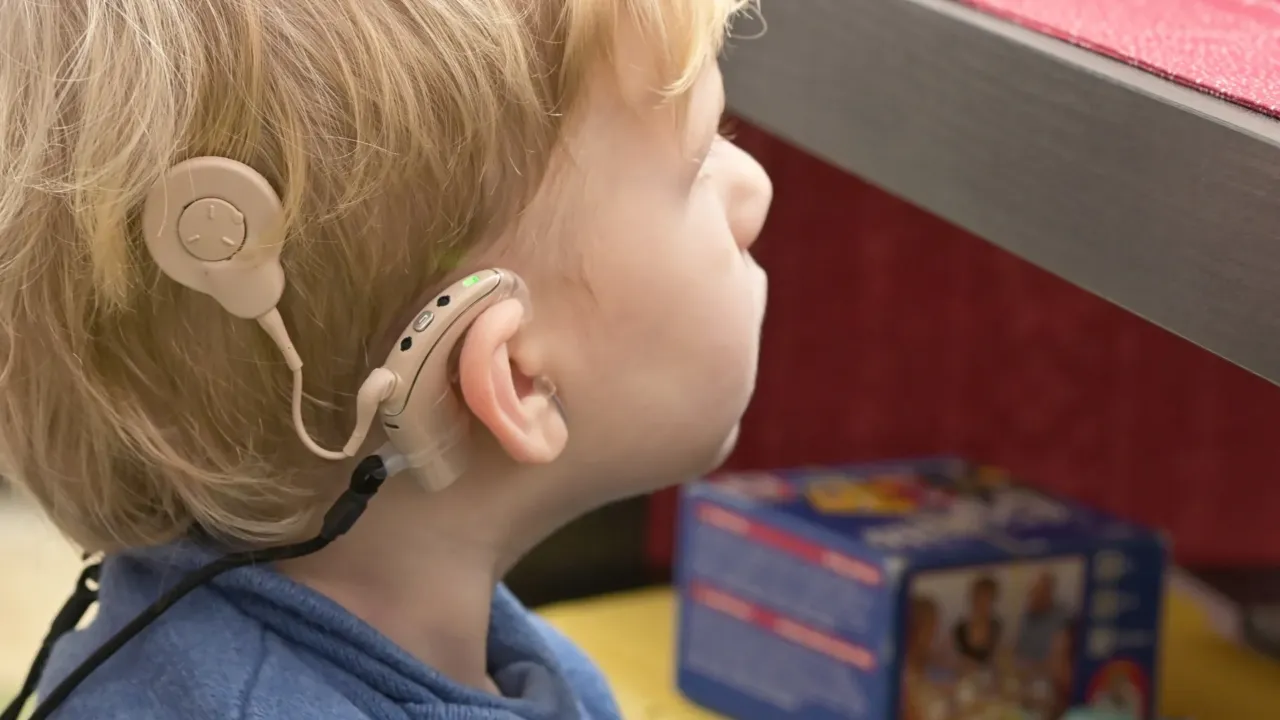
A cochlear implant represents a significant shift for a family when a child faces severe hearing loss. Unlike standard hearing aids that amplify noise, these devices bypass damaged portions of the ear to stimulate the auditory nerve directly. This process allows the brain to receive sound signals in a way that traditional technology cannot achieve.
Many parents feel overwhelmed by the technical details, but the core concept remains simple: it provides a pathway for sound where one was previously blocked. Understanding how this technology integrates into daily life helps set a foundation for a child’s communication growth.
Early Access to Sound Shapes the Brain
Timing plays a massive role in how well a child adapts to a cochlear implant. The human brain undergoes rapid development during the first few years of life, especially in areas responsible for processing language. When a child receives an implant early, the brain can weave those new electrical signals into its developing framework more naturally.
Waiting too long can sometimes make the transition harder because the auditory cortex might start specializing in other tasks. Providing this access during the peak years of plasticity gives a child the best chance to hit typical speech milestones alongside their peers.
The Device Requires Daily Commitment
Consistency serves as the engine that drives success with these devices. An implant does not work like a pair of glasses that provides instant clarity the moment a child puts them on. Instead, the brain must learn to interpret digital signals as meaningful speech and environmental sounds.
If a child only wears the processor for a few hours a day, the brain struggles to make those permanent connections. Families often find that keeping the equipment on during all waking hours creates the most steady progress. This dedication ensures that sound becomes a predictable and reliable part of the child’s world.
Surgery is Just the Starting Point
Many people view the surgical procedure as the finish line, but it actually marks the beginning of a long-term partnership. The surgery itself is a routine outpatient event for most, yet the real work happens during the months and years that follow. Mapping appointments are necessary to fine-tune how the device delivers electrical pulses to the nerve.
These adjustments ensure the sound remains comfortable and clear as the child grows and their needs change. Success depends less on the day of the operation and more on the follow-up care and technical tweaks provided by a dedicated clinical team.
Therapy Builds Meaning from the Noise
Simply hearing sound is not the same thing as understanding language. Special speech therapy sessions focus on teaching a child how to listen and how to use their voice effectively. These sessions often involve play-based activities that encourage the child to identify different pitches, volumes, and specific words.
Parents act as the primary teachers in this scenario by narrating daily life and creating a language-rich environment at home. Without this structured support, the sounds from the implant might remain just background noise. Active participation in therapy transforms those electronic pulses into the building blocks of conversation and connection.
Social Support Matters for the Family
Parenting a child with a cochlear implant can feel isolating without a community that understands the specific hurdles involved. Connecting with other families who have walked this path provides emotional relief and practical tips that no textbook can offer. While the medical side focuses on the hardware, the social side focuses on the heart of the experience.
Hearing stories about school transitions or sports activities helps parents visualize a bright future for their own kids. This network of peers serves as a safety net, offering encouragement when the learning curve feels steep or when setbacks happen.
Ask Our Professional About Implants
Your child’s hearing health is unique, and finding the right path starts with a team that puts your family’s goals first. If hearing aids aren’t providing the clarity your child needs, exploring deeper options can provide much-needed answers.
Hear Bear Audiology and Speech Clinic is here to help you understand if an implant is the right fit for your child’s specific situation. We look forward to meeting your family and working together to give your child the best possible start. Schedule an appointment with us today!.